The value of attending trade fairs
Investing in trade fairs drives growth through visibility, networking and industry insight. Costs, return and how to get the most out of it.
By Xander
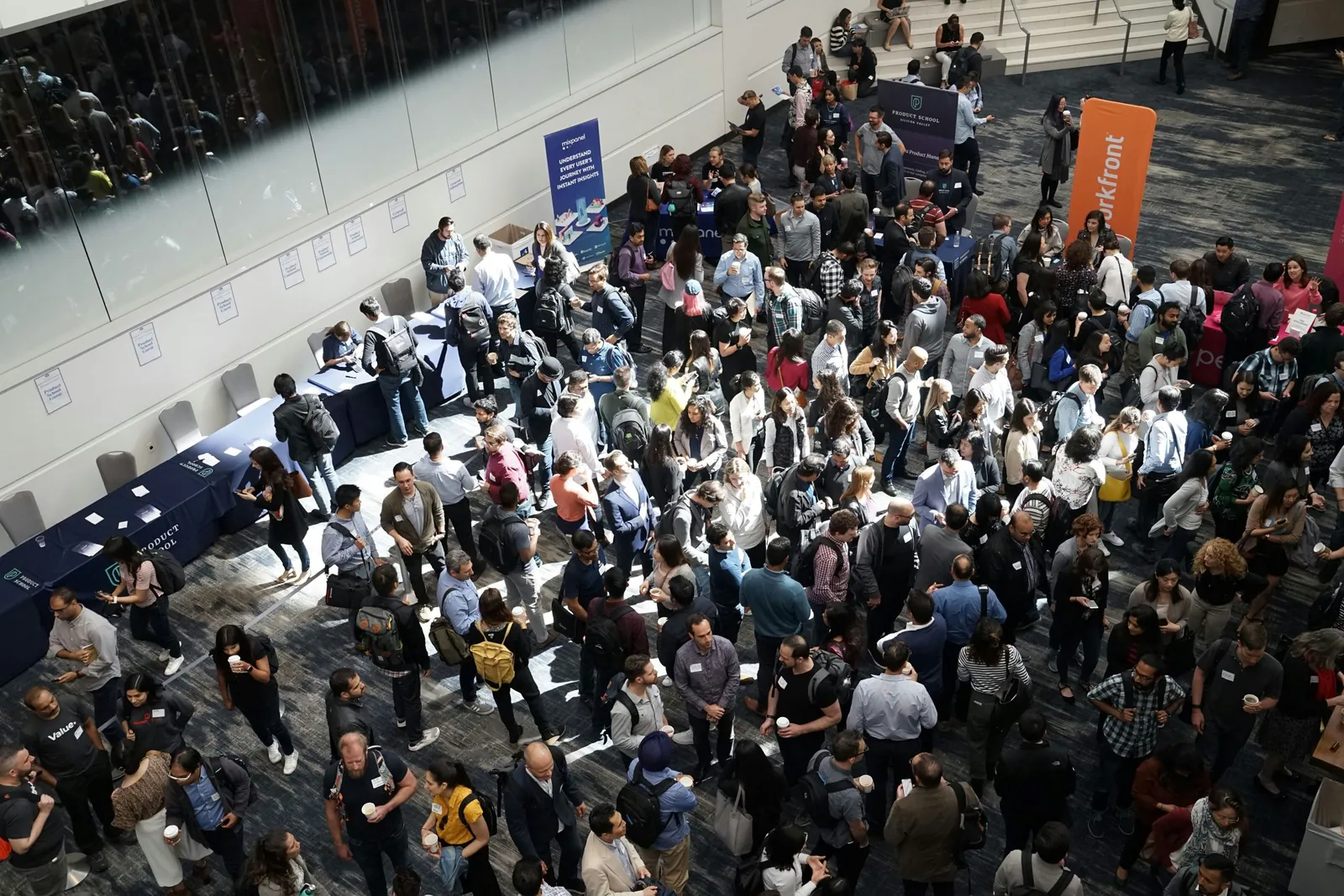
Investing in trade fairs drives business growth through market exposure, networking, and industry insights.
In today’s competitive global market, businesses are constantly seeking new ways to expand their reach, connect with potential partners, and stay ahead of industry trends. One of the most effective strategies to achieve these goals is by attending trade fairs. These events offer a unique platform for businesses to showcase their products, network with industry peers, and gain valuable insights into market dynamics. While attending a trade fair involves financial investment, the potential returns in terms of business growth and development make it a worthwhile expenditure.
Why attend a trade fair?
- Market exposure: Trade fairs provide an unparalleled opportunity for businesses to increase their visibility within their industry. Exhibiting at a trade fair allows companies to present their products and services directly to a targeted audience, including potential customers, partners, and investors. This exposure can lead to immediate sales, but more importantly, it helps to build brand recognition and credibility in the market.
- Networking opportunities: One of the most significant benefits of attending a trade fair is the chance to network with industry professionals. Trade fairs attract a wide range of participants, from small startups to large multinational corporations. This creates a fertile ground for forming new business relationships, exploring partnerships, and even scouting for talent. The personal connections made during these events can lead to long-term business collaborations and opportunities that might not be available through other channels.
- Industry insights and trends: Trade fairs are often a hub of innovation, where the latest industry trends, technologies, and products are showcased. Attending these events allows businesses to stay informed about market developments, understand competitors’ strategies, and identify emerging opportunities. This knowledge is crucial for making informed business decisions and staying competitive in a rapidly changing market.
The financial aspect: investment vs. return
- Cost considerations: Attending a trade fair does require a financial commitment. Costs can include registration fees, travel and accommodation expenses, booth setup, marketing materials, and staffing. However, these expenses should be viewed as an investment rather than a cost. Careful planning and budgeting are essential to maximize the return on this investment.
- Return on investment (ROI): The potential return on investment from attending a trade fair can be substantial. Direct returns can come in the form of sales generated during the event or shortly thereafter. However, the indirect returns are equally valuable. These include new business leads, enhanced brand visibility, and stronger industry relationships. To accurately assess ROI, businesses should track metrics such as the number of qualified leads generated, follow-up meetings scheduled, and partnerships formed as a result of the event.
- Long-term benefits: While the immediate financial returns from a trade fair might be evident, the long-term benefits often outweigh the initial investment. These events can lead to ongoing business opportunities, improved market positioning, and a deeper understanding of the competitive landscape. Over time, the relationships and insights gained from attending trade fairs can contribute significantly to a company’s growth and success.
Maximizing the benefits of trade fairs
To make the most of a trade fair, businesses should adopt a strategic approach. This includes setting clear objectives for the event, such as lead generation, product launches, or market research. Pre-event preparation is also crucial—this might involve arranging meetings with key contacts, preparing marketing materials, and training staff to engage effectively with visitors. After the event, timely follow-up with contacts and leads is essential to convert opportunities into tangible results.
Conclusion
Attending trade fairs is more than just a financial expenditure – it’s a strategic investment in the future growth and success of your business. By leveraging the market exposure, networking opportunities, and industry insights gained at these events, businesses can achieve significant returns that extend far beyond the initial investment. In today’s competitive landscape, participating in trade fairs is a valuable tool for any company looking to expand its reach and strengthen its market position.